

Sartorius Muscle Pain: Quick Answer
Sartorius muscle pain often feels like a burning or sharp ache at the front of the hip, or tenderness on the inside of the knee. It commonly flares with stairs, running, sprinting, jumping, and prolonged sitting, because the sartorius helps move both the hip and knee. Some people find that getting an affordable massage in Edmonton can help relieve tension in the sartorius and surrounding muscles.
Most mild cases improve with short-term activity modification, ice, and a gradual rehab plan that restores hip mobility and knee control. If pain is severe, lasts more than a few days, or limits walking, get assessed by a qualified healthcare professional.
Symptoms and Where You Feel Sartorius Muscle Pain
You may notice one or more of the following:
- Burning, aching, or pinching at the front of the hip or upper thigh
- Tenderness along the inner knee, sometimes with soreness a little below the joint line
- Pain that increases with stairs, lunges, squats, or getting in and out of a car
- Tightness through the front of the hip after sitting
- Reduced hip range of motion, and a feeling of weakness when lifting the knee
If you have numbness, tingling, major swelling, fever, redness, sudden inability to bear weight, or pain after a significant fall or collision, seek urgent medical care.
Common Causes of Sartorius Muscle Pain
Sartorius pain is usually related to overload, tightness, or a strain. Common triggers include:
- Sudden acceleration, cutting, sprinting, or jumping
- Repetitive hip flexion (sports, hills, stairs, cycling, and high-volume running)
- Prolonged sitting and hip flexor stiffness
- Rapid training increases (more speed work, hills, or volume than usual)
- Compensation from nearby issues (hip flexor tightness, glute weakness, or knee tracking problems)
Is it Actually the Sartorius, or Something Else?
The sartorius crosses the hip and knee, so symptoms can mimic other conditions. A professional assessment is useful if your pain is persistent or confusing.
Consider getting checked sooner if you have:
- Deep groin pain, clicking, or locking in the hip
- Inner knee pain with swelling and tenderness directly over the pes anserine area
- Pain that radiates, or comes with tingling or numbness
- Pain that worsens over time despite rest and basic home care
How to Treat Sartorius Muscle Pain at Home
First 48 to 72 hours (calm it down)
- Reduce aggravating activity: Avoid sprinting, deep lunges, hills, and long stairs. Keep gentle walking if it is comfortable.
- Ice: Apply a cold pack to the painful area for up to 20 minutes, a few times per day, especially after activity.
- Compression and elevation (if swollen): Light compression and leg elevation can help if there is visible swelling.
- Pain relief: Over-the-counter pain relief may help some people, but follow label directions, and confirm safety with a pharmacist or clinician if you have any conditions or take other meds.
After Pain Settles (Rebuild Capacity)
Once you can move comfortably, shift toward mobility and strength. The goal is to restore hip extension, hip control, and knee stability without provoking symptoms.
Sartorius Rehab Exercises and Stretches
Stop any exercise that causes sharp pain. Mild stretch discomfort is okay, but pain should not increase during the session or later that day.
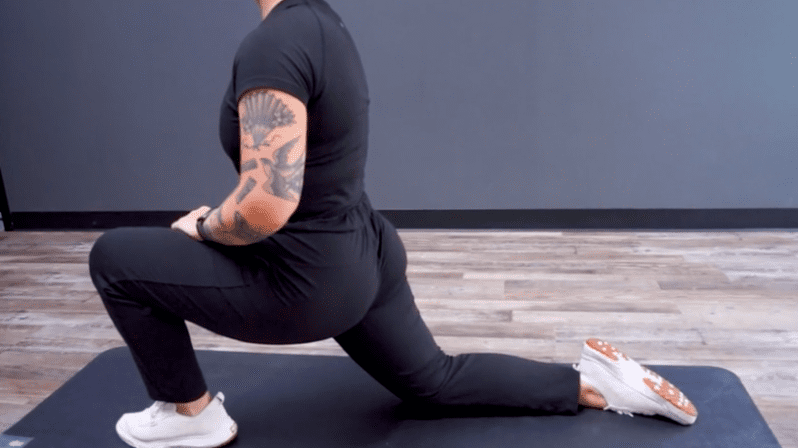
1) Kneeling Hip Flexor Stretch (Front of Hip)
- Kneel on one knee, other foot in front.
- Tuck the pelvis slightly, squeeze the glute on the kneeling side, and gently shift forward until you feel a stretch in the front of the hip.
- Hold 20 to 30 seconds, repeat 2 to 4 times per side.
2) Standing Quad and Hip Stretch
- Stand tall, hold a wall for balance, and bring your heel toward your glute.
- Keep knees close, ribs down, and avoid arching your lower back.
- Hold 20 to 30 seconds, repeat 2 to 4 times per side.
3) Figure-4 Stretch (Hip External Rotators)
- Lie on your back, cross one ankle over the opposite knee, and gently pull the thigh toward you.
- Hold 20 to 30 seconds, repeat 2 to 4 times per side.
4) Straight-Leg Raise (Hip Flexion Strength)
- Lie on your back with one knee bent, and the other leg straight.
- Tighten your thigh, lift the straight leg to the height of the bent knee, then lower slowly.
- Do 2 to 3 sets of 8 to 12 reps per side.
5) Side-Lying Hip Abduction (Glute Med Support)
- Lie on your side, bottom knee bent, and top leg straight.
- Lift the top leg slightly behind your body, then lower with control.
- Do 2 to 3 sets of 8 to 12 reps per side.
Return to Running or Sport
A simple checkpoint: you should be able to walk briskly, climb stairs, and do a controlled lunge without a pain spike during or after.
When you return:
- Start with short, flat sessions
- Avoid hills and speed work at first
- Increase volume gradually, and keep at least one rest day between higher-load workouts
When to Book an Assessment
If pain lasts more than a few days, is severe, keeps coming back, or limits walking, it is worth an assessment. A clinician can confirm whether this is a sartorius strain, hip flexor involvement, pes anserine irritation, or something else, and then tailor rehab based on your movement patterns and sport. The sartorius muscle is a long, thin muscle that plays a crucial role in hip and knee movement. For active individuals in Edmonton and Sherwood Park, it’s essential to keep this muscle healthy and functional to avoid discomfort or injury during sports and exercise. In this article, we will explore the common causes of sartorius muscle pain, how to treat it, and ways to prevent future injury.
Understanding the Sartorius Muscle
The sartorius muscles originates from the pelvis and runs down the thigh, inserting into the tibia. It plays a key role in movements like flexing, abducting, and externally rotating the hip, as well as flexing the knee. This muscle is essential for actions such as walking, running, and climbing stairs.
Common Issues with the Sartorius Muscles
Active individuals are particularly susceptible to sartorius muscle injuries due to overuse or strain. Some of the most common issues include:
Sartorius Muscle Strain
A sartorius muscle strain occurs when the muscle is overstretched or torn due to excessive activity, such as sprinting or jumping. This can lead to sartorius muscle pain, swelling, and difficulty moving the leg.
Sartorius Muscle Tightness
Tightness in the sartorius muscle can result from poor posture, inactivity, or repetitive use. It may cause discomfort and reduce flexibility in the hip and knee joints, making physical activities more difficult.
Sartorius Muscle Weakness
Weakness in the sartorius muscles can hinder activities like running or squatting. Over time, this can lead to poor performance in sports and even increase the risk of injury.
If you experience sartorius pain, consult a healthcare professional for proper diagnosis and treatment.
How to Treat Sartorius Muscle Pain
Addressing sartorius pain involves both immediate care and long-term strategies to promote healing and prevent recurrence. Here are some methods to alleviate discomfort:
1. Rest and Recovery
If you have strained your sartorius, it’s essential to rest and avoid activities that place strain on your hip and knee. This will allow the muscle to heal without further aggravation.
2. Ice Therapy
Applying ice to the affected area helps reduce swelling and inflammation. Use ice packs for 20 minutes at a time, several times a day, during the first 48 hours after the injury.
3. Compression and Elevation
Compression bandages can reduce swelling and provide support to the sartorius muscles. Elevating the leg can also assist with managing inflammation.
4. Therapeutic Massage
For ongoing tightness or pain, therapeutic massage can help release muscle tension and promote blood circulation. Regular massages can aid in muscle recovery and prevent future issues.
5. Strengthening and Stretching Exercises
Once the initial pain subsides, incorporating strengthening and stretching exercises can improve flexibility and prevent further injury. Your healthcare provider may recommend specific exercises to target the muscle.
For additional support, you might also consider myofascial cupping massage to release tension in the affected area.

Sartorius Muscle Stretches
Incorporating stretches into your routine can help alleviate tightness in the muscles. Here are some effective stretches:
1. Sitting Cross-Legged Stretch
Sit on the floor with your legs crossed. Lean forward gently, keeping your back straight, and reach for your toes. Hold for 30 seconds to 1 minute.
2. Standing Forward Bend Stretch
Stand with your feet hip-width apart and hands on your hips. Slowly bend forward at the hips, reaching toward the floor. Keep your knees slightly bent and hold for 30 seconds to 1 minute.
3. Lunge Stretch
Step forward with one leg and lower into a lunge position, keeping your back straight. Hold for 30 seconds, then switch sides.
Remember to breathe deeply and never force a stretch if it causes pain.
How to Rehab Your Sartorius Muscle
Rehabilitation is a crucial part of recovery from a sartorius strain or injury. Follow these steps to help strengthen and restore your muscle:
- Rest and Ice: As mentioned, rest and ice are essential in the first 48-72 hours.
- Gentle Stretching: Begin gentle stretching once the acute pain has subsided.
- Strengthening Exercises: Work on exercises that target the sartorius, such as lunges and leg raises, under the guidance of a physical therapist.
- Gradual Return to Activity: Slowly resume physical activities, starting with lower-intensity movements and progressing to full activity as strength and flexibility improve.
For specialized rehab services, consider visiting Athlete’s Choice Massage in West Edmonton to ensure a safe and effective recovery process.
Keep Your Sartorius Muscle Strong and Flexible
The sartorius muscle is crucial for everyday movement and athletic performance. Addressing sartorius muscle pain early through rest, therapeutic treatments, and targeted stretches will help you stay active and injury-free. For athletes and active individuals in Edmonton and Sherwood Park, taking care of this essential muscle ensures long-term mobility and performance.