
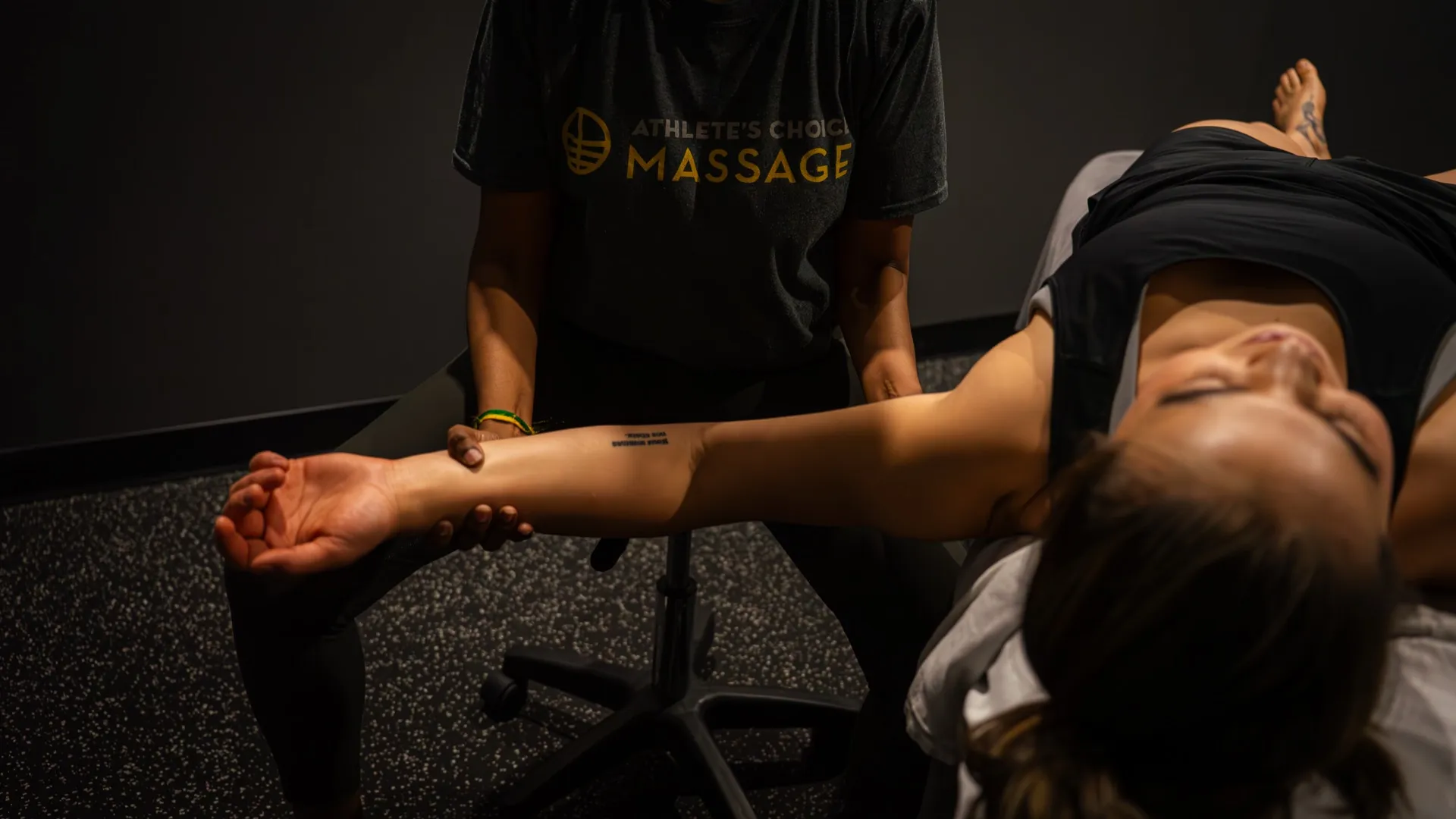
Manual Osteopathic Treatment
Manual Osteopathy
Book NowManual osteopathy at ACM clinics across Alberta. Hands-on care to reduce pain, improve mobility, and restore balance. Book online.
Whole-body assessment
Manual osteopaths assess how all body systems — musculoskeletal, visceral, and craniosacral — interact and contribute to your symptoms.
Improves joint mobility
Gentle manipulative techniques restore normal movement in restricted joints without the force of chiropractic adjustment.
Supports structural alignment
Addresses compensation patterns and postural imbalances that are often the underlying driver of chronic pain.
Manual Osteopathy is a hands-on, holistic treatment approach focused on improving how the body moves and functions by restoring balance within the muscles, joints, and fascia. It is most commonly used for musculoskeletal concerns such as back and neck pain, joint restrictions, postural imbalances, headaches and migraines, and sports or overuse injuries. Some clients also seek manual osteopathy for whole-body complaints — including digestive discomfort such as bloating or general abdominal tension — where techniques like visceral and craniosacral work may help support circulation, nervous-system regulation, and overall function. Evidence for these whole-body effects is still emerging, and manual osteopathy is meant to complement, not replace, medical care — so please speak with your physician about any digestive or medical condition. Treatment is always tailored to the individual, with the goal of improving movement, reducing restrictions, and supporting the body’s natural ability to self-regulate.
What to Expect During Your Manual Osteopathy Appointment
If you’re looking to address chronic pain, postural imbalances, joint restrictions, Headaches or Migraines, digestive concerns, stress-related tension, or reduced overall function and mobility, Manual Osteopathy may be the right choice for you.
Your appointment will begin with a comprehensive assessment. This includes a discussion of your chief complaint, relevant health history, lifestyle factors, and any contributing patterns related to movement, stress, or digestion. Your practitioner will then perform a full-body evaluation, which may include range of motion testing and gentle palpation to better understand how different systems of the body are contributing to your symptoms. Together, you’ll establish clear treatment goals to ensure the session is focused, effective, and aligned with your expectations.
Based on the assessment findings, your practitioner will utilize a combination of manual osteopathic techniques tailored to your needs. This may include soft tissue therapy, joint mobilizations, and low-velocity adjustments, as well as more specialized approaches such as Lymphatic Drainage, Visceral Manipulation, and Craniosacral Therapy. These techniques work together to improve circulation, reduce tension, restore mobility, and support the body’s natural ability to self-regulate and heal. Each treatment is fully individualized, and pressure or approach will always be adjusted to ensure comfort and optimal therapeutic benefit.
To support lasting results, you will receive personalized home care recommendations such as gentle mobility work, hydration guidance, posture or ergonomic strategies, and self-care techniques to support your recovery. Before leaving, be sure to speak with your practitioner about the ideal timing for your next visit. This collaborative approach helps improve whole-body function, reduce pain, and support long-term wellness.
Case Study: Improving Mobility and Alignment Through Manual Osteopathy Care
Musculoskeletal imbalances and restricted movement were causing pain and interfering with the client’s daily activities. These issues affected posture, mobility, and overall comfort. Our osteopath used therapeutic manual osteopathy techniques, including postural analysis and corrective to address structural imbalances and support better alignment and movement. Results varied by client, with some noticing improvements after one session and others benefiting from multiple treatments. This integrative approach helps athletes, seniors, and patients of all ages achieve optimal flexibility, strength, and coordination.
Frequently Asked Questions
What is manual osteopathy?
Manual osteopathy is a hands-on, whole-body approach that uses techniques like soft tissue work, joint mobilization, and gentle manipulation to improve mobility, reduce pain, and restore balance through the muscles, joints, and fascia.
What conditions does manual osteopathy help with?
It’s most commonly used for musculoskeletal concerns — back and neck pain, joint restrictions, postural imbalances, headaches and migraines, and sports or overuse injuries. Some clients also seek it for whole-body complaints; for any medical condition, treatment is meant to complement care from your physician, not replace it.
How is manual osteopathy different from massage?
Massage therapy focuses primarily on soft tissue, while manual osteopathy takes a whole-body view — combining soft tissue work with joint mobilization and gentle manipulation to address how different areas of the body interact. The approaches overlap and are often complementary.
Can manual osteopathy help digestive issues?
Some clients seek manual osteopathy for digestive discomfort such as bloating or abdominal tension, using gentle visceral techniques that may help support circulation and mobility. Evidence for these effects is still emerging, so it should complement — not replace — care from your physician for any digestive or medical condition.
Is manual osteopathy covered by insurance?
Many extended health plans cover manual osteopathy under a dedicated benefit, separate from massage therapy. Coverage varies by plan, so check your benefits. We offer direct billing where your insurer supports it.
Book Manual Osteopathy at Your Location
Manual Osteopathy is available at our Edmonton clinics and Sherwood Park location. Same-day appointments are often available — book online or call 780-433-0550.
What to know
Before Your Visit
Arrive Early
A few minutes before your appointment lets you complete paperwork and settle in before treatment begins.
Eat Light
Avoid heavy meals for 1–2 hours beforehand. A light snack is fine — an empty stomach can cause lightheadedness.
Stay Hydrated
Drink water before and after. Hydration helps flush out waste released during treatment and reduces post-session soreness.
Dress Comfortably
Wear loose-fitting or athletic clothing that allows free movement. Your therapist will advise on draping based on your treatment.
Communicate
Share your concerns, injuries, and goals before the session starts — and keep the dialogue open throughout so adjustments can be made in real time.
Rest After
Skip intense activity after your session and give your body time to integrate the treatment.
Follow Aftercare
Your therapist may prescribe specific stretches, exercises, or self-care strategies. Following through ensures the best long-term results.
Medical Clearance
If you are pregnant, undergoing cancer treatment, or recently injured, consult your healthcare provider before booking. Your safety comes first.
What we treat
Conditions
We Treat
Most of our clients aren't athletes. They're people with persistent pain who've tried stretching and rolling and want something that actually works. If your condition isn't listed, call us — your therapist will assess at your first visit.
Book Your AssessmentGoogle reviews
What Our Clients Say
"I had an excellent experience with my massage therapist Ece Taylan. She created a calm, welcoming atmosphere that immediately put me at ease and the treatment was exceptional."
Seray
Google Review
"Marisol is truly an exceptional massage therapist! She made me feel comfortable, welcomed, and completely cared for. I left feeling lighter, relaxed, and with improved mobility."
Lesley Turnbull
Google Review
"Rebecca is very knowledgeable and caring. She takes the time to listen to your concerns and offers a great treatment plan. She has a great touch."
Tara Gamble
Google Review
"Tanya D. is amazing!! I've had chronic neck/back issues for close to 20 years, and have never had the type of relief as I've had since seeing her over the past year."
Kaila Tipton
Google Review
Got questions?
FAQ
What is manual osteopathy?
Manual osteopathy is a hands-on approach to assessing and treating the musculoskeletal system. Practitioners use gentle techniques — soft tissue work, joint mobilization, fascial release, and craniosacral methods — to restore mobility, reduce pain, and support the body's self-regulating capacity.
How is manual osteopathy different from chiropractic?
Both work with the musculoskeletal system, but manual osteopathy typically uses gentler, lower-velocity techniques without the audible "crack." It also places more emphasis on the whole body and its interconnected systems rather than focusing solely on spinal alignment.
How is it different from massage therapy?
Massage therapy focuses primarily on soft tissue. Manual osteopathy includes joint work, visceral techniques, and a broader assessment framework. Many clients benefit from both, and we can coordinate care between disciplines at our clinics.
How many sessions will I need?
It depends on the complexity of your condition. Acute issues may resolve in 2–4 sessions; chronic or complex presentations often require more. Your practitioner will set realistic expectations at your first assessment.