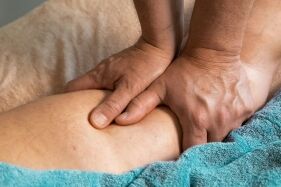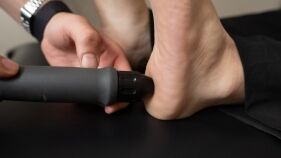


You walked out of a manual osteopathy session feeling looser, then hit a wall a few hours later. Maybe you slept twelve hours. Maybe you woke up groggy the next morning, or felt foggy and a little sore. If you’re searching this, you’re probably wondering whether that’s normal or whether something went wrong. Short answer: almost always normal. Here’s what’s actually happening, how long it should last, and the rare cases where it’s worth a quick call to your practitioner.
Yes, fatigue after manual osteopathy is normal
Most clients feel some version of tired in the 12–48 hours after a manual osteopathy treatment. It’s so common that experienced practitioners build it into how they explain the session: “You may feel relaxed and sleepy tonight — that’s expected, drink water and let your body rest.”
Common post-session experiences:
- Heavy fatigue, often hitting suddenly a few hours after the session
- Wanting to sleep earlier than usual or for longer
- A “foggy” or floaty feeling
- Mild soreness in areas the practitioner worked on
- Increased thirst
- Sometimes mild emotional release (clients describe feeling unexpectedly tearful or quietly low)
None of these are warning signs. They’re the body’s response to having spent 60+ minutes in a deeply relaxed state with focused soft-tissue and joint work happening on top of it.
What’s actually happening
Three overlapping mechanisms:
1. Autonomic nervous system shift. A manual osteopathy session typically pushes you from “sympathetic” (fight-or-flight, on-edge) into “parasympathetic” (rest-and-digest, recover). Most people walk into the session running on stress and walk out genuinely relaxed for the first time in weeks. Your body interprets that drop as permission to crash. Hence: tired.
2. Soft tissue and fascial response. Manual osteopathy works connective tissue, fascia, and joint mechanics — all of which produce a low-grade physiological stress response similar to (though much milder than) a workout. Your body diverts energy to repair and recovery for 24–48 hours. That energy isn’t available for staying alert at work.
3. Hydration and circulation shifts. Manual osteopathy increases local circulation and lymphatic flow. Some practitioners describe this as “flushing” — metabolites and fluids that have been pooled in tense tissue get moved through the system. The body uses water and sleep to process all of that.
The combined effect is “I feel like I’ve had a workout and a long meditation at the same time.” That’s roughly accurate.
How long should the tiredness last?
For most people:
- First 4–12 hours: Heavy fatigue, sometimes coming on suddenly
- 12–48 hours: Lower energy than baseline, deeper sleep, possible mild soreness
- 48–72 hours: Energy returns; many clients report sleeping better and feeling clearer than before the session
If you’re still significantly fatigued past 72 hours with no clear improvement, that’s worth mentioning to your practitioner — not as an emergency, but so they can adjust the next session.
For first-time clients or anyone who’s been chronically stressed, fatigue can run a bit longer (2–4 days) as the body unwinds. This is more pronounced after a thorough first session and tends to shorten with subsequent visits.
Tired vs. something’s wrong: when to call
Most fatigue is normal. Here’s when to contact your practitioner directly:
Call them about:
- Sharp or new pain that wasn’t present before the session
- Tingling, numbness, or weakness in an arm or leg that develops after treatment
- A headache that’s significantly worse than your normal pattern, especially with vision changes or nausea
- Dizziness that’s persistent or interferes with normal activity
- A sudden noticeable change in symptoms you came in with (much worse, not just slightly aggravated)
Don’t worry about:
- Generally feeling drained and wanting more sleep
- Mild soreness in the areas they worked
- Feeling emotionally tender for a day
- Light bruising at deeper-pressure points (visible 1–2 days post-session, fades within a week)
In Alberta, manual osteopathy is performed by trained Manual Osteopathic Practitioners (not osteopathic physicians, who are a separate medical credential). If you have a serious medical concern, your family doctor or 811 (Health Link Alberta) is the right call — your manual osteopath can advise on whether a symptom is treatment-related, but they don’t replace primary care.
How to support recovery
Five practical things that shorten the tiredness window:
- Drink water. More than usual, for the rest of the day. Aim for an extra 500–750 mL (2–3 cups) on top of your normal intake.
- Move gently. A 15-minute walk a few hours after the session keeps blood and lymph moving without taxing the system. Don’t go to the gym or run intervals; let intense training wait 24 hours minimum.
- Sleep when you’re tired, not when the clock says. If you crash at 8pm, go with it. The body is doing repair work.
- Eat normally and well. Protein, vegetables, complex carbs. Skip alcohol — it competes for the same recovery resources.
- Skip the sauna and intense heat. Hot tubs, saunas, and very hot showers can amplify the post-session crash. A warm (not hot) bath is fine.
Should I book another session?
Whether and when to book a follow-up depends on what you came in for. General framework:
- For a specific issue (back pain, recurring tension, mobility restriction): Most practitioners recommend 3–4 sessions over 4–6 weeks to address the issue, then move to maintenance.
- For maintenance and prevention: Once every 4–8 weeks tends to work for most active adults.
- For acute injury or post-surgical recovery: Shorter intervals at first, then spacing out. Your practitioner will recommend a plan after the first session.
If your tiredness pattern is mild and predictable, booking the next session a week later is usually fine. If you found this first session significantly demanding, give yourself 10–14 days before the second.
Manual osteopathy at Athlete’s Choice
Athlete’s Choice offers manual osteopathy at our Edmonton-area locations. Sessions are 60 minutes with trained Manual Osteopathic Practitioners who’ll discuss your goals at the first visit and build a plan that works around your post-session recovery pattern.
Book at the location closest to you:
Manual osteopathy is typically covered under the “Manual Osteopathy” or sometimes “Massage Therapy” benefit on your extended health plan — see our direct billing page for current providers.
Frequently asked questions
Why do I feel tired after manual osteopathy?
A combination of nervous system shift (parasympathetic relaxation after focused stress relief), soft tissue and fascial response that requires energy for repair, and circulatory changes. Most people feel heavy fatigue 12–48 hours after a session. It’s normal and expected.
How long does the tiredness last?
Typically 24–48 hours for most people. First-time clients or those who’ve been chronically stressed can feel it for up to 4 days. If significant fatigue persists past 72 hours with no improvement, mention it to your practitioner.
Is it bad if I feel worse after manual osteopathy?
Mild soreness or temporary aggravation of the issue you came in for is normal in the 24–48 hours after a session. Sharp new pain, numbness, weakness, severe headache, or persistent dizziness aren’t normal — call your practitioner.
Should I drink water after manual osteopathy?
Yes. Aim for an extra 500–750 mL (2–3 cups) on top of your usual intake on the day of the session and the day after. It supports the circulatory and metabolic processing the session triggers.
Can I work out after a manual osteopathy session?
Light movement (walking, gentle stretching) is fine and helpful. Skip intense training, heavy lifting, and high-intensity intervals for at least 24 hours. Most clients find their workout the next day feels better than usual once the initial fatigue passes.
How often should I get manual osteopathy?
Depends on your goal. For a specific issue, 3–4 sessions over 4–6 weeks is typical. For maintenance, every 4–8 weeks. Your practitioner will recommend a plan after your first visit.
Is manual osteopathy covered by benefits in Alberta?
Most extended health plans cover it under “Manual Osteopathy” or sometimes “Massage Therapy” — coverage varies by plan. Athlete’s Choice direct bills to most major Alberta insurers; see our direct billing page for current providers.