
Conditions We Treat
Carpal Tunnel & Wrist Pain Massage in Edmonton
Book NowCarpal tunnel & wrist pain relief in Edmonton. Forearm flexor, median nerve & thoracic outlet work by RMTs at 4 Athlete's Choice locations. Direct billing.
Carpal tunnel syndrome is one of the most common repetitive strain conditions, and one of the most undertreated with massage, because most people assume the problem is only in the wrist. The median nerve can be compressed at multiple points along its path: in the wrist, yes, but also in the forearm, at the thoracic outlet, and in the cervical spine. Effective treatment addresses the full length of the nerve pathway, not just the end point. This page covers the drivers of carpal tunnel and wrist pain, how massage helps, and how to book at Athlete’s Choice Massage in Edmonton.
When carpal tunnel needs medical attention first
Severe or rapidly progressing carpal tunnel syndrome, particularly with significant hand weakness, thenar muscle wasting (the muscle at the base of the thumb), or constant numbness that doesn’t fluctuate, warrants a medical assessment before relying on conservative treatment. These signs may indicate significant nerve compression requiring intervention beyond massage. For the far more common presentation, intermittent tingling and numbness in the palm and first three fingers, wrist pain, and forearm aching that worsens with prolonged keyboard or phone use, massage is appropriate and often highly effective.
What drives carpal tunnel syndrome and wrist pain
Forearm flexor tension
The forearm flexors, the muscles on the inner forearm responsible for finger and wrist flexion, are chronically overloaded by sustained keyboard use, phone scrolling, and grip-intensive work. When they become tight, they increase pressure in the carpal tunnel and directly compress the median nerve structures. Releasing the forearm flexors is the most direct intervention for most carpal tunnel presentations and often produces immediate symptom relief.
Wrist flexion posture
Sustained wrist flexion, typing with wrists bent downward, sleeping with wrists curled, keeps the carpal tunnel narrowed for hours at a time. This accumulated compression, combined with forearm flexor tightness, creates the hallmark symptom pattern: tingling and numbness that wakes you at night or builds during prolonged hand use.
Thoracic outlet syndrome
The median nerve exits the cervical spine and passes through the thoracic outlet, the space between the collarbone and first rib, bordered by the scalenes and pec minor. When these muscles are tight (from forward head posture, desk work, or heavy bag carrying), they compress the brachial plexus and create symptoms that mimic or overlap with carpal tunnel: forearm aching, hand tingling, and weakness. Many clients diagnosed with carpal tunnel have a significant thoracic outlet component that, when addressed, dramatically reduces hand and wrist symptoms.
Cervical nerve involvement
The median nerve originates from cervical nerve roots C6, C7, and C8. Cervical disc issues or tight scalene muscles can compress these roots and create symptoms identical to carpal tunnel, tingling in the thumb, index, and middle fingers. If your wrist and hand symptoms are accompanied by neck pain or worsen with certain head positions, cervical involvement should be part of the assessment.
How massage treats carpal tunnel and wrist pain
Athlete’s Choice Massage’s approach to carpal tunnel and wrist pain addresses the full nerve pathway from the cervical spine to the hand:
- Forearm flexor and extensor release, the primary driver in most presentations; direct work on the inner forearm muscles
- Carpal tunnel mobilisation, gentle techniques at the wrist to decompress the tunnel
- Scalene and pec minor work, addressing thoracic outlet restriction that compresses the brachial plexus
- Cervical assessment, if neck and upper shoulder tension are contributing to the symptom pattern
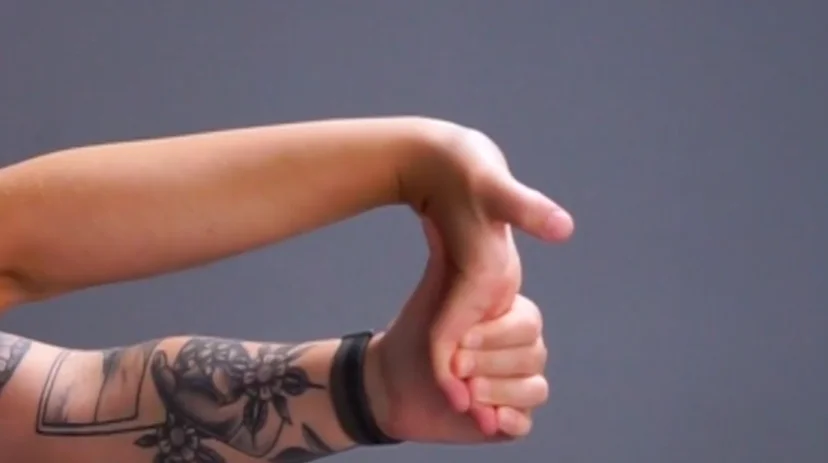
Sessions are typically 45–60 minutes. Your RMT will provide home-care guidance, usually a forearm flexor stretch protocol, wrist neutral positioning cues, and ergonomic recommendations for your workstation if indicated.
Book carpal tunnel and wrist pain massage in Edmonton
Athlete’s Choice Massage has four Edmonton-area locations. Direct billing is available to most major insurance providers at all locations.
- West Edmonton, Near West Edmonton Mall and Stony Plain Road, Book online
- South Edmonton, on 67 Ave NW, Book online
- Downtown Edmonton, Central business district, Book online
- Sherwood Park, Strathcona County, east of Edmonton, Book online
Athlete’s Choice also offers a dedicated carpal tunnel and wrist pain massage page for Sherwood Park with location-specific information.
Frequently asked questions
Athlete’s Choice treats carpal tunnel and wrist pain with Edmonton massage therapy at three clinics across the city.
Can massage cure carpal tunnel syndrome?
Massage is an effective conservative treatment for mild to moderate carpal tunnel syndrome, it can significantly reduce symptoms and in many cases eliminate them, particularly when the driver is forearm flexor tension and thoracic outlet restriction rather than structural narrowing of the carpal tunnel. Severe CTS with nerve damage may ultimately require surgical decompression, but massage is a reasonable first approach before progressing to more invasive intervention.
How many sessions does carpal tunnel take?
Most clients with forearm-driven carpal tunnel notice meaningful improvement within 3–5 sessions. Cases with a significant thoracic outlet component typically take longer, 6–8 sessions, because the scalene and pec minor release requires cumulative work. Your RMT will give a specific recommendation after your first assessment.
Can I continue working while getting treatment?
Yes, massage for carpal tunnel doesn’t require rest from work. Your RMT will provide ergonomic guidance to reduce the load between sessions: wrist neutral position during keyboard use, regular forearm stretching breaks, and appropriate mouse positioning. Continuing to work is fine; optimising how you work makes the treatment more effective.
Is carpal tunnel massage covered by Alberta insurance?
Yes, RMT massage is covered under most Alberta extended health plans. Athlete’s Choice offers direct billing at all four locations.
What’s the difference between carpal tunnel and tennis elbow?
Carpal tunnel syndrome affects the median nerve and causes tingling and numbness in the palm and first three fingers. Tennis elbow (lateral epicondylitis) is a tendinopathy at the outer elbow from forearm extensor overload, it causes lateral elbow pain and forearm aching without the hand tingling. Both conditions benefit from forearm massage, but the treatment focus differs. Your RMT will identify which pattern you’re presenting with at your first visit.
Related Treatments & Conditions